Raptisoft

John Raptis, Founder

Traverse City, Michigan
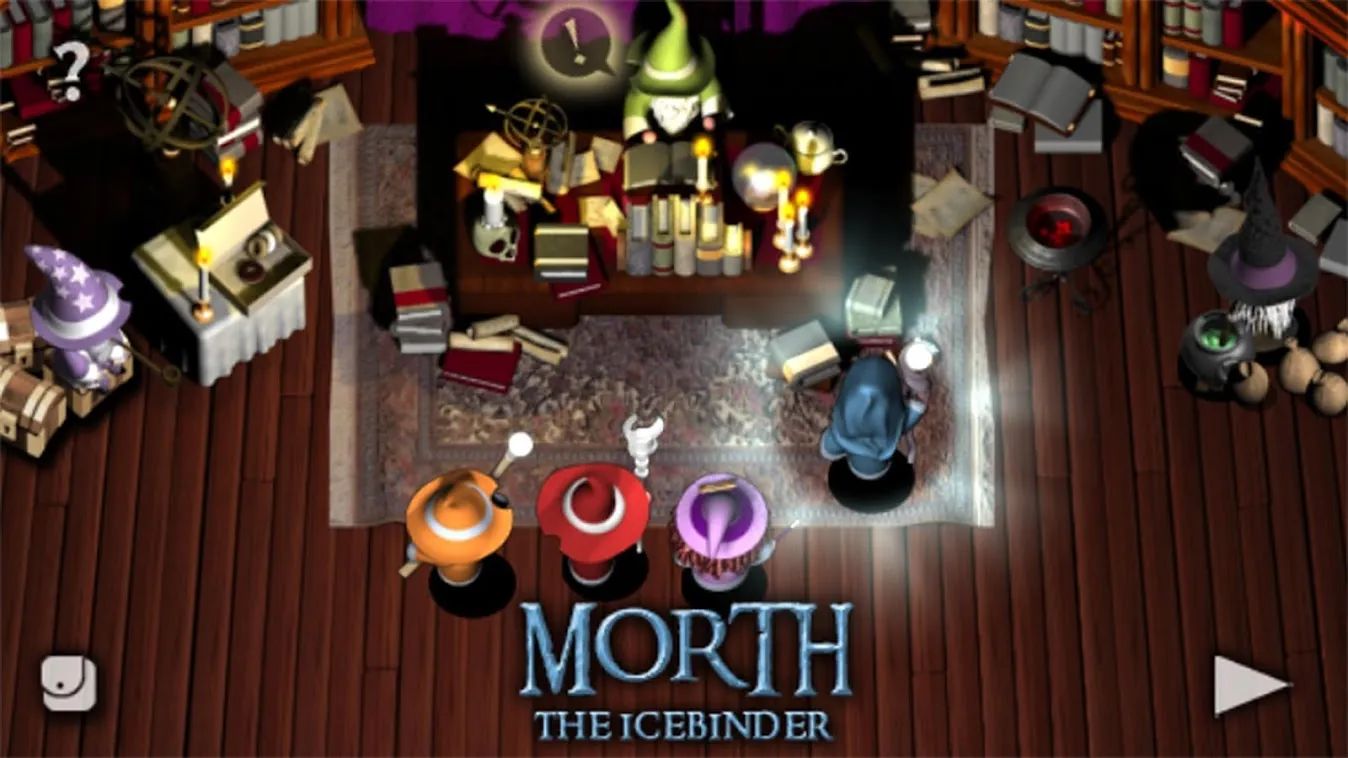
Hoggy 2 is one of Raptisoft’s games, built by John Raptis that appeals to more of a younger audience Solomon’s Boneyard is a fantasy RPG from Raptisoft
Where the art began

For John Raptis, growing up in the eighties meant one thing, and one thing only… and that was video games.

He knew right off the bat that video games, a medium that felt like a special contraband from the future, were going to be his life.

“From the very first second I saw [a video game], I was like, that’s what I want to do,” he remembers thinking to himself back then.

So, for the next few decades, through school, side jobs, adulthood, all the milestones and interruptions that life can throw at a person, it was all that he did: small games, half finished ones, experiments, whatever he could make. Relentlessly.

“Since I was eight years old, I have been writing video games,” he says. “There has not been a moment of my life that I wasn’t doing one at some point.”

But for John, it was never about building a company, per se. No, he was so caught up in making the games themselves, that eventually, almost by accident, the company had formed around him and his life’s work.

And by 2001, he christened that body of work with a name: Raptisoft.

The formula behind the name was practical for all intents and purposes: he took his last name, and simply added “soft” to it — surname + suffix. The thinking was that he wanted something that he wouldn’t regret later. “Which I ended up still regretting,” he likes to joke.

At the time, John was still working what he describes as a fairly ordinary computer job in the Detroit area, writing games on the side, not yet convinced that game development could earn him a real living.

But then life, as it tends to do, stepped in. This time, with a mortgage.

“I didn’t get serious about [making games] until I bought a home,” he said. “There’s no better motivation than a mortgage.”

That pushed John to release his first official commercial game. Six months later, he did what most people only talk about: he quit his day job.

Another studio, PopCap (who evidently didn’t choose the surname + suffix naming formula) even picked up that first game, giving him all the validation he needed that this whole independent developer angle might actually work.

Not a bad return for some debt-fueled pressure.

From there, Raptisoft grew game by game, title by title, cranking out hits such as Chuzzle 2, Solomon’s Keep, Solomon’s Boneyard, Hoggy 2, and Robot Wants Kitty.

Even so, John actively tries to avoid dressing up his achievements with any kind of fancy, business lingo. Rather, when he talks about Raptisoft, he spotlights the artist at his core. Yes, he does the programming, but at the end of the day, what he loves most is the design, the art itself.

“When I write a game it’s like a person writing a novel,” he says, referring to his craft the same way people talk about making art, creating something he sends out into the world to see if people connect with it.

And connect they have. Raptisoft’s titles have reached several million downloads across app stores, with Chuzzle for adults, Hoggy for younger players, some titles for all those Nintendo lovers out there, and still others for late teens and twenty-somethings.
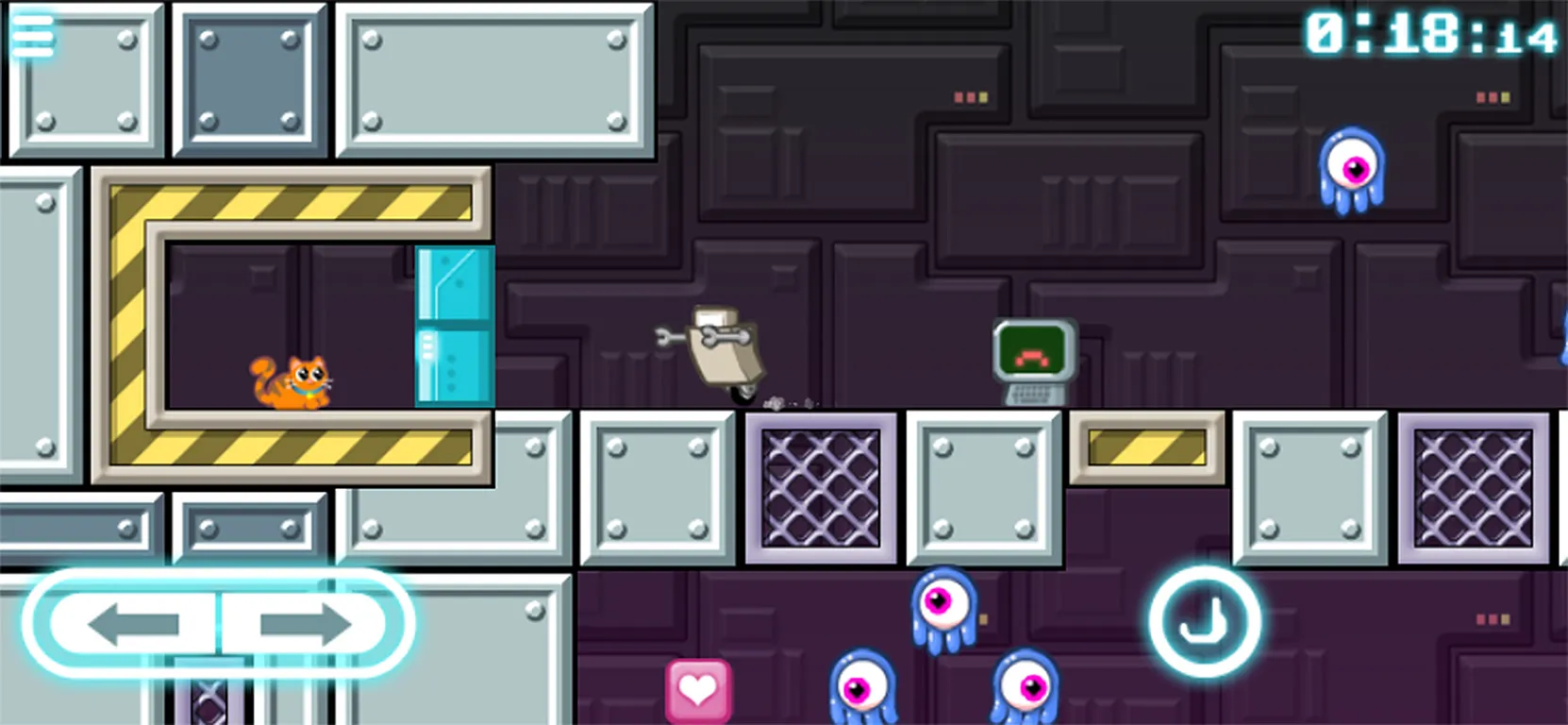
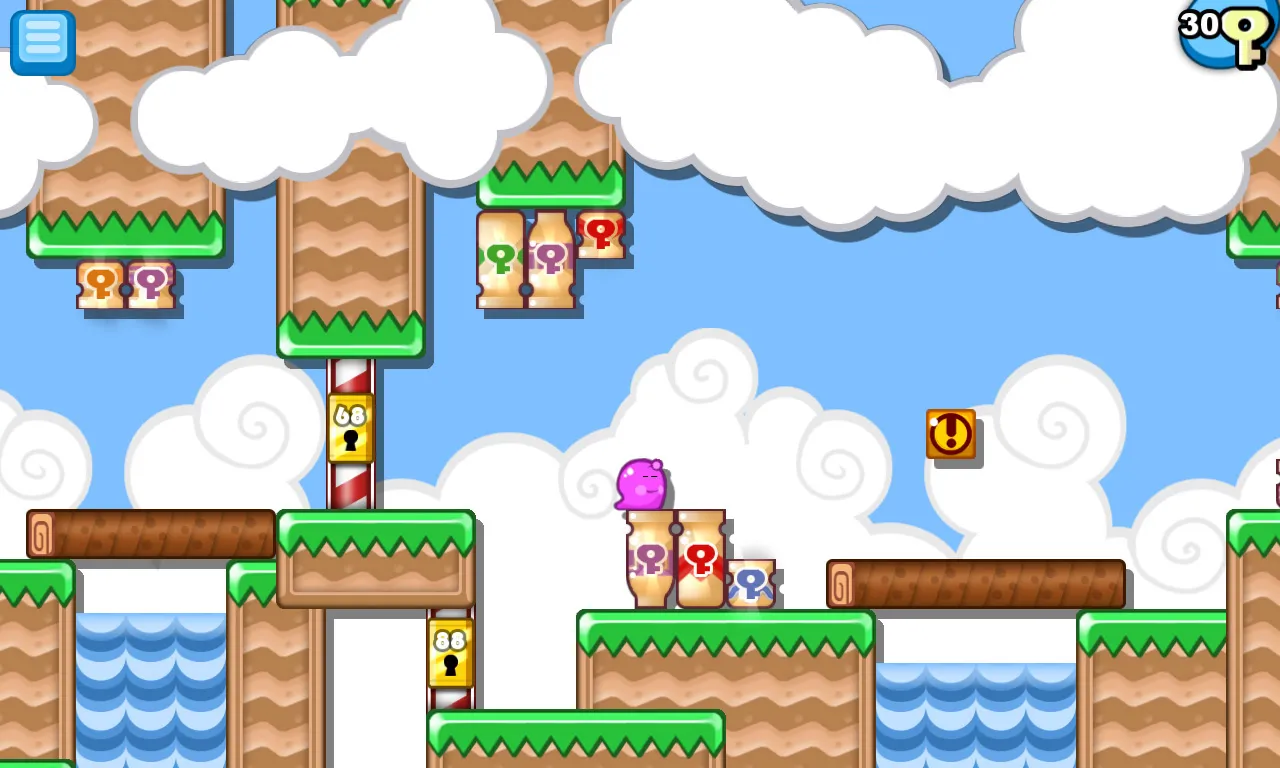
A screenshot from Robot Wants Kitty, a Raptisoft game that even lets players build their own stages using editing tools in-game
A better way to keep playing

For years, the market for games had worked like this: players buy the game, players get the game, and then players go have fun with the game.

That was the name of the game (pardon the pun) through much of the 2000s, with John selling premium games on desktop, until the market started to get a little too crowded for comfort.

But then, lucky for John, everything changed. Mobile arrived on the scene, and he embraced it immediately — what he now reckons is one of the smartest decisions of his career (even though he swears he’s not someone especially gifted at seeing the future).

And it worked out. Mobile was where games were priced lower, but the audience more than made up for it. You had more players on mobile, more devices, more opportunity… that is, until that market turned on a dime too.

And just like that, everyone started to sour on the notion of charging players upfront for a mobile game.

Around the same time, John noticed another rather diabolical monetization scheme take hold in the developer community: make the hard part of the game harder, then sell players relief from the pain you just created.

John hated the idea.

To John, the idea of making his games unwinnable unless someone coughed up money was “absolutely abhorrent.” The developers that were choosing to shake down their own players were “ruining games for everyone.” And for someone like John, who appreciates games as a form of art and interpersonal connection, it was a line he simply refused to cross.

Then ads came to his rescue.

“The very first time I integrated ads, it was like a breath of fresh air,” he says, referring to the revenue stream that ads gave Raptisoft. “I can just put a commercial in here. I don’t have to change the game balance. I don’t have to mess up the game.”

And all of it without any of the corporate varnish too; just a clear effect: people can still play it for free, and the business can still grow. But what mattered more than anything was that they let John continue making the kinds of games he wanted to make.

To this day, that decision is still what underpins almost all of Raptisoft’s revenue, 95% of it coming from ads, with the rest coming from folks who want to turn off the ads by way of a small purchase.

A big part of making that model work, John says, was Google AdMob. He chose it in part because the API was so simple, plus he didn’t have to rearrange any of his apps just to integrate ads.

“The very first time I integrated ads, it was like a breath of fresh air. I can just put a commercial in here. I don’t have to change the game balance. I don’t have to mess up the game.”
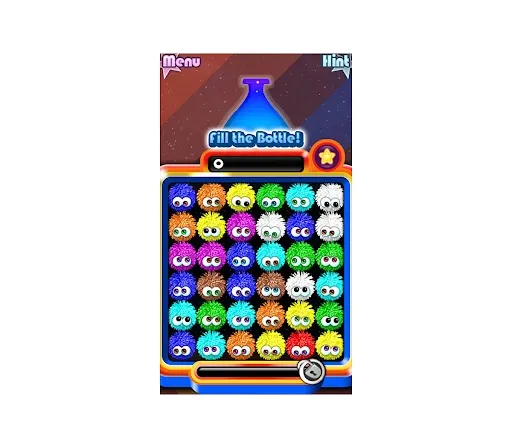
Chuzzle 2 is a mobile puzzle game from indie studio Raptisoft
Building a business without losing the art

But for John, the real reward has been seeing what players have done with his art once they’ve found it.

Take, for instance, how John has heard from players who’ve told him his games have helped them through cancer treatments. And then something he’s particularly jazzed about: how users have made art of their own in his games, possible thanks to some editing tools that John’s introduced for players to create their own levels and challenges, especially in a game like Robot Wants Kitty.

Taken together, these are the small but meaningful reminders for John of what happens when a creator puts art into the world, keeps it free-to-access, and gives people room to make it their own.

But then life stepped in again, this time, by bringing the business a little closer to home.

For most of his career, John has worked alone. That is, until recently, when his son Alex decided to join the fold. At first, Alex had gone off to go find himself a “real job,” but then quickly realized that those real jobs are not, in fact, all wine and caviar.

So now, you can find Alex working alongside dad, leaving John with a sense of renewed optimism.

John says his son seems to have more business sense than he does, which may be a good thing since John considers his management skills on par with that of “a block of wood.”

In fact, father and son have already got three games in the works. Not only that, but they expect to be adding another employee to their roster as well, a big expansion when you think about how long the studio has been just John.

But even after 25 years, John still sounds like someone who can’t quite believe he gets to do this. “This is not work for me. I get to play for a living.”

He says that even if no one were paying him, he would still be making games. He’s just grateful to have found a way to make a living from the thing he would have been doing anyway.

About the Publisher

John Raptis, founder of indie game studio Raptisoft based out of Traverse City, Michigan, considers himself a lucky guy. What began as a childhood love of video games has grown into a lifelong career, leading him to create such franchises as Chuzzle and Hoggy to RPG favorites like Solomon’s Keep and Solomon’s Boneyard. By using Google AdMob as part of his ad-supported model, he has been able to keep his games free and accessible, while continuing to grow the business, now in partnership with his son, without compromising the player experience.

Another screenshot from Chuzzle by Raptisoft, the indie game studio John Raptis built out of a love of video games and art